WATER,SANITATION AND HYGIENE
Wash, Improving Access to Clean, Safe Water
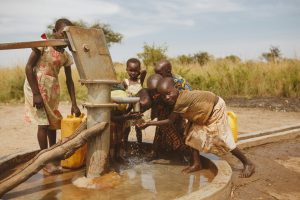
Water is the source of life, but millions of people don’t have enough to meet their daily needs. NOXCOH is improving access to clean water and sanitation in the countries where we work, in urban and rural areas and in displacement camps. We provide emergency water when needed; build wells , drilling boreholes and water points to reduce long treks(often by vulnerable girls and women) and help construct reservoirs that make communities more water-secure over the long term. We also work to improve hygiene and sanitation to lessen the spread of disease. Following are highlights of four important water initiatives we are working on
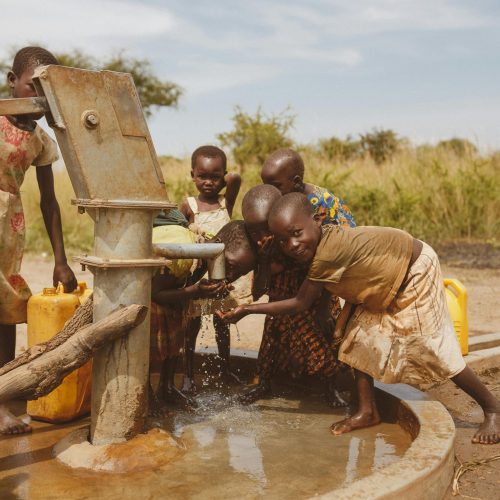
Wash Activities
Sanitation and hygiene key activities included latrine constructions, households, schools and health care facilities. Water activities at both community and institution level included drilling of new boreholes, the establishment of solar-powered piped water schemes and the rehabilitation of non-functional water sources. Response by the sector became more crucial with the COVID-19 pandemic as the need to ensure access to water as well as sanitation and hygiene with COVID-19 related hygiene promotion.
providing water and sanitation to communities hosting displaced people; rehabilitating water sources to create a reliable supply; and working with communities to promote hygiene and build
latrines and showers. NOXCOH program focuses on ways to ensure sustainable supplies of clean water and consistently improve sanitation and hygiene.
NOXCOH is making affordable and sustainable sanitation facilities more available. Our wastewater treatment system benefits households that lack private latrines. We have developed sanitation equipment that can navigate the narrow alleys of urban slums. This is a low-cost and sustainable model that can be replicated by residents, local government and the private sector. Finally, we’re teaching residents and officials about the environmental and economic benefits of improved sanitation through outreach at schools and events.
We are providing clean drinking water, latrines and basic hand-washing facilities as well as the promotion of participatory health and hygiene education (PHHE). to
people living in displacement camps, where they are vulnerable to diseases such as cholera bilharzia and etc ,